Best Viscosity Cup for Paint: Quick Tests for Consistent Finishes
Choosing the right viscosity cup helps painters, hobbyists, and professionals achieve consistent atomization and an even finish. This guide reviews five widely used cups, highlighting how each measures flow, works with paints, varnishes, and inks, and what to consider when upgrading. The selection balances accuracy, portability, and compatibility with common coatings, so you can verify viscosity before spraying without guesswork.
| Product | Brand | Type | Key Use | ASTM/D4212 Reference |
|---|---|---|---|---|
| HomeRight C900205M | HomeRight | Viscosity Cup | Check viscosity of paint, varnish, stains | General DIN/D3602 style |
| TCP Global SG244 | Master Airbrush | Ford #4 Cup | Verify coating viscosity for atomization | Ford #4 standard |
| BAOSHISHAN NO.2 | BAOSHISHAN | Dip-Type 44ml | Paint finishes, oils, dyes | ASTM D4212 compliant |
| SHUATI | SHUATI | Viscosity Cup | Portable viscosity checks for multiple liquids | Gravity-flow cup |
| BAOSHISHAN NO.3 | BAOSHISHAN | Dip-Type 44ml | Paint, inks, varnishes | ASTM D4212 compliant |
HomeRight C900205M Viscosity Cup

The HomeRight C900205M viscosity cup provides a quick method to assess the viscosity or thickness of paints, varnishes, stains, inks, syrups, and other liquids. It functions as a simple gravity tool to time the flow of a known volume through a fixed orifice, helping users dial in spray equipment for proper atomization. This cup can be used prior to spraying to gauge coating consistency and reduce issues such as uneven spraying or clogging. Color variations of the cup may occur, but the core mechanism remains a straightforward timed-flow measurement.
In practice, the C900205M supports rapid checks in workshops, studios, or field settings. By standardizing a brief flow-time test, users can compare batches or confirm that a coating meets a target viscosity before loading a sprayer. The device is particularly valuable when working with multiple solvent systems or finishes, where viscosity can shift between formulations or storage conditions. Its simple design keeps maintenance low and operation intuitive for beginners and seasoned painters alike.
Key benefits include portability, ease of use, and a direct read on whether the coating is too thick or too thin for reliable atomization. It’s a practical addition to any spray-paint workflow, from furniture refinishing to automotive touch-ups, where consistent viscosity translates to smoother finishes and fewer spray issues.
TCP Global SG244 Ford #4 Cup

The Ford #4 viscosity cup is designed for quick viscosity checks of paints, varnishes, lacquers, stains, inks, syrups, and other liquids. It supports a simple gravity-based flow measurement, allowing a known volume to pass through a bottom orifice while timing the discharge. This makes it suitable for verifying coating viscosity before painting, helping you achieve optimal atomization and a smoother finish. The SG244’s portability makes it a practical choice for on-site projects and studio work alike.
With its emphasis on consistent results, the Ford #4 cup aids in predicting spray performance across different shades or batches. By confirming that a coating reaches a target flow rate, painters can adjust thinning ratios or sprayer settings with greater confidence. As a standard reference, this cup integrates well with other viscosity tools in a shop, offering a dependable baseline for quality control during coating applications.
Users benefit from a straightforward tool that reduces guesswork, especially when switching between finishes or when preparing multiple coats. The SG244 supports a practical workflow by providing a verifiable viscosity metric without requiring complex instrumentation.
BAOSHISHAN No.2 Zahn Cup Viscosity Cup

The BAOSHISHAN No.2 Zahn Cup is a 44ml stainless steel viscosity cup designed for measuring the efflux time in a range that supports 20-80 seconds, depending on the tested liquid. It covers a measurement range suitable for many paints, finishes, oils, dyes, sauces, and more. This cup adheres to ASTM D4212 standards for viscosity testing using a dip-type design, ensuring compatibility with established testing methods. The stainless steel construction provides durability in workshop environments.
Practically, the No.2 cup offers repeatable timing for coatings with lower to moderate viscosities, making it suitable for finishing tasks that demand precise spray performance. Its dip-type format is favored for hands-on laboratory or field use, where quick assessments help guide thinning decisions or sprayer adjustments. When used consistently, it supports improved coating flow and more uniform results across surfaces.
SHUATI Liquid Consistency Cup
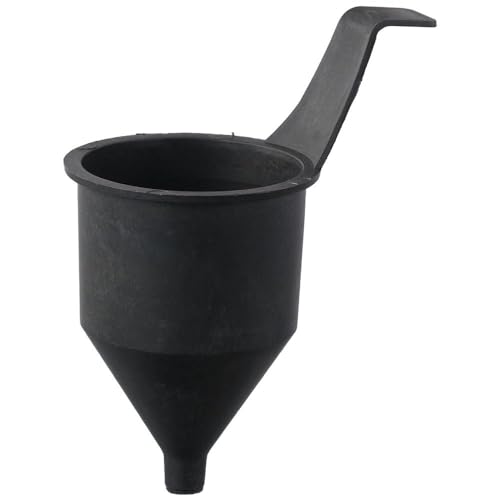
The SHUATI viscosity cup is a portable option designed to rapidly check the viscosity of paint, varnish, lacquer, stains, inks, syrups, and related liquids. Its gravity-based operation relies on a known volume flowing through a bottom orifice to generate an accurate timing measurement. This simple approach supports pre-paint checks to ensure an even spray pattern and consistent coating thickness, reducing the likelihood of streaking or splotches caused by improper viscosity.
SHUATI emphasizes broad applicability, so users can test multiple liquids beyond paints, including varnishes and inks. The tool’s portability makes it suitable for on-site touch-ups, classrooms, or hobby workshops. By verifying viscosity in advance, painters can adjust formulations or sprayer settings to achieve better atomization and a more professional finish across projects.
BAOSHISHAN No.3 Zahn Cup

The BAOSHISHAN No.3 Zahn Cup is a 44ml stainless steel viscosity cup, offering a higher efflux time range (20-80 seconds) and a viscosity range of roughly 10-800 centistokes (cSt). It aligns with ASTM D4212 standards for viscosity testing of paints, inks, varnishes, syrups, and oils. The dip-type design provides a reliable method for gauging viscosity in cSt, supporting precise pre-paint checks and compatibility with various coating systems.
This cup is well-suited for paints with moderate to relatively higher viscosities, enabling users to time the flow through a defined orifice. The combination of a robust metal body and standard testing range makes it a staple tool for small shops, studios, and DIYers who prioritize consistency and repeatability in finish quality.
Buying Guide
Key purchase considerations:
- Measurement range: Choose a cup with an efflux time and cSt range that matches your typical coatings (paints, varnishes, inks, sauces). Wider ranges accommodate more liquids, but tighter ranges offer greater precision for a specific material.
- Material and durability: Stainless steel cups resist corrosion and are easier to clean, making them suitable for solvents and ready-to-use coatings.
- Standards compliance: Cups that conform to ASTM D4212 provide consistent, recognized testing protocols, beneficial for professional workflows.
- Orifice size and design: Dip-type cups versus fixed-orifice cups affect handling and timing accuracy. Consider your comfort level and typical workflow when choosing.
- Portability and setup: Lightweight, compact cups help with field work, while sturdier kits suit shop environments. Look for clear labeling of volume and flow time to streamline testing.
- Calibration and maintenance: Check for easy cleaning and any calibration recommendations from manufacturers to maintain accuracy over time.
- Compatibility with coatings: Ensure the cup’s range includes the viscosities you commonly encounter, from thin varnishes to thicker paints.
Comparison perspective:
- High-precision, standards-based cups (e.g., ASTM-compliant) are ideal for professional use and quality control in production settings.
- Dip-type, gravity-flow cups are versatile for hobbyists and fieldwork, offering straightforward operation without complex instrumentation.
- Portability vs. durability: Lightweight cups maximize mobility, while stainless steel variants maximize longevity in busy workshops.
Product selectionshould align with your primary coatings, workflow speed, and desired accuracy. For studios that test multiple liquids, a combination of a robust steel cup and a general-purpose model provides flexibility and reliability in achieving consistent spray performance and a uniform finish across projects.
Leave a Reply