Best Ramps for Shipping Containers: Bridge Docks Safely
Finding the right ramp for a shipping container is essential for safe loading and unloading. This guide compares top heavy‑duty ramps designed to bridge trucks and docks, support forklifts, and withstand harsh weather. Each option emphasizes strength, grip, and compatibility with standard container heights, helping you choose a solution that fits your loading workflow and site constraints.
Product At a Glance
| Product | Capacity | Approx. Size |
|---|---|---|
| DMC-FPPS 68″ x 86″ Heavy Duty Ramp | 16,000 lbs | 68″ x 86″ |
| Mytee Products 68″ x 86″ HD Steel Ramp | 14,000 lbs | 68″ x 86″ |
| DMC-FPPS 49″ x 86″ Heavy Duty Ramp | 16,000 lbs | 49″ x 86″ |
| Mytee Products 49″ x 86″ Ramp | 14,000 lbs | 49″ x 86″ |
| Guardian Aluminum 36″ x 16″ Ramp | 10,000 lbs per axle | 36″ x 16″ |
DMC-FPPS 68″ x 86″ Heavy Duty Ramp

Made from diamond plate steel, this ramp measures 68.11″ by 86.61″ with a height differential of 6.49″ and a 16,000 lbs loading capacity. Designed to ease the transition from truck to dock, it provides a robust platform for forklift traffic, palletized loads, or container access. The heavy‑duty construction focuses on durability and long‑term performance in demanding loading environments.
HD Ramps 68″ x 86″ Steel Ramp

This ramp is built for 4.5–8″ container lips and delivers an 8,000 lbs per axle capacity. It features a grit‑coat surface for traction in all weather conditions and a knife edge to ensure a smooth transition. The aluminum construction keeps weight manageable while maintaining strength for frequent use with forklifts and pallet jacks.
Mytee Products 68″ x 86″ HD Steel Ramp

With a 14,000 lb capacity, this ramp is designed for heavy use in container operations. It emphasizes forklift compatibility and includes safety features such as chains and eye hooks with a safety latch. The steel construction offers strong load handling, making it suitable for frequent transitions between dock and container and for moving the ramp across work sites.
Mytee Products 49″ x 86″ Ramp

This 49″ wide ramp offers a 14,000 lb capacity and is designed for forklift compatibility. Its lighter footprint makes it easier to reposition while maintaining robust performance for loading and unloading at shipping containers. The HD construction prioritizes resilience in high‑usage environments and is suitable for solid warehouse workflows.
Guardian Aluminum Shed Ramp Set
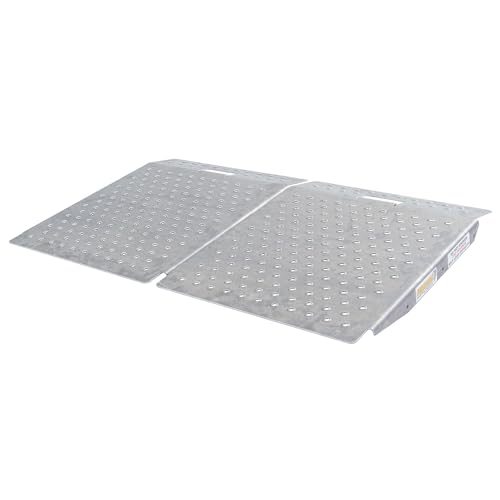
Although marketed for garden sheds and yard equipment, these 29″ x 24″ aluminum ramps offer punch plate traction and are lightweight for easy positioning and storage. They provide a practical option when space is limited and a lighter alternative is needed to bridge ground to shed or similar structures near container facilities.
Buying Guide: Key Considerations for Shipping Container Ramps
- Capacity and per‑axle load: Match ramp capacity to forklift weights, palletized goods, and maximum loads you expect during operation. Heavier steel ramps generally handle sustained forklift traffic better than lighter aluminum options.
- Height differential and landing surface: Ensure the ramp height aligns with container lips and dock surfaces. A larger height differential can reduce ramp angle and improve load stability, but may require longer ramps for use in tight spaces.
- Traction and surface finish: Grit‑coat or anti‑slip surfaces improve traction in wet or muddy environments. Diamond plate textures increase grip for wheel loaders and pallet jacks.
- Material and weight: Steel ramps offer maximum durability and load capacity, but heavier ramps require more handling equipment. Aluminum ramps are lighter and easier to move but may have lower overall load ratings.
- Portability and storage: Consider whether ramps are frequently moved between sites. Ramps with handles, hooks, or folding designs simplify repositioning and storage in tight spaces.
- Forklift compatibility and safety: Confirm fork access and compatibility with your forklift model. Look for safety features such as chains, latches, and secure anchoring options to prevent ramp movement during use.
- Compliance and standards: Check for industrial standards and corrosion resistance suitable for outdoor exposure, salt air near docks, or harsh warehouse environments.
- Maintenance: Steel ramps may require periodic rust protection and coatings; aluminum ramps need inspection for welds and edge integrity over time.
- Pricing and lifecycle: Compare initial cost with anticipated lifespan, maintenance needs, and potential replacement timelines to estimate total cost of ownership.
- Site constraints: Consider footprint, storage space, and the need to maneuver ramps around vehicles, docks, or tight container openings when choosing size and weight.
When selecting a ramp for shipping containers, prioritize compatibility with your container height, forklift capacity, and site conditions. The options listed here provide varied combinations of strength, weight, and traction to fit most warehouse and yard configurations while maintaining safe loading practices.
Leave a Reply