Best Nozzle Dip for MIG Welding: Top Gel Solutions for Cleaner Nozzles
Choosing the right nozzle dip gel can significantly reduce spatter buildup, protect nozzle orifices, and keep your MIG welding workspace cleaner. The following selections, based on user reviews and feature sets, offer odorless, non-toxic, and silicon-free options suitable for manual and automatic MIG setups. This guide highlights practical applications, compatibility, and safety considerations to help you select the best nozzle gel for your welding needs.
| Product | Brand | Key Benefit |
|---|---|---|
| Forney 37031 Nozzle Gel | Forney | |
| YESWELDER Welding Nozzle Gel (16 oz) | YESWELDER | |
| CritterGoo Cooter Snot Tip Dip | CritterGoo | |
| JHTii Anti Spatter Welding Nozzle Gel | jhtii | |
| Weiiaihua Anti-Spatter Nozzle Gel | Weiiaihua |
Forney 37031 Nozzle Gel For MIG Welding

Forney 37031 Nozzle Gel provides a protective film that prevents clogging and spatter buildup on MIG nozzle orifices and contact tips. The formula is odorless, non-flammable, and non-toxic, making it suitable for use with semi-automatic and automatic welding fixtures. Its silicon-free composition reduces the risk of introducing contaminants into welded joints while maintaining a clean work area. Operators can apply a thin, even coat to nozzle surfaces prior to welding, then reapply as needed for extended jobs or high-volume operations.
YESWELDER MIG Nozzle Gel Anti-Spatter (16 oz)

This YESWELDER nozzle gel enhances welding efficiency by dipping nozzles and contact tips to form an anti-spatter film. The product is designed for easy reapplication, providing ongoing protection that helps keep the workbench clean and free from spatter. It supports both manual and automatic MIG welding nozzles and tips, offering universal compatibility and dependable performance in various positions. The gel’s film acts as a barrier, reducing cleanup time after long weld passes and helping maintain consistent arc starts.
CritterGoo Cooter Snot Tip Dip
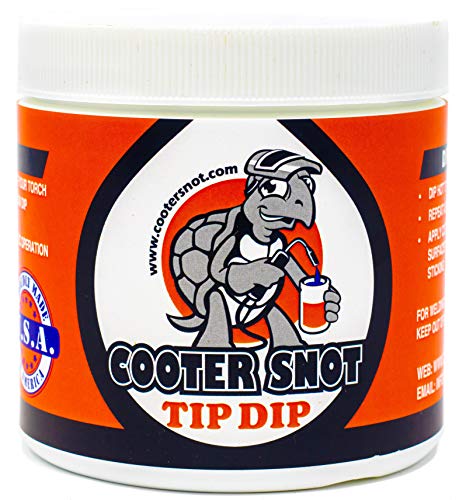
CritterGoo Cooter Snot Tip Dip creates an anti-splatter film on torch tips, preventing spatter buildup for both manual and automatic welding nozzles. The product is compatible with all tips you dip, works in any position, and supports MIG/GMAW and TIG applications. Directions emphasize dipping a hot tip and reapplying to surrounding surfaces as needed. The formulation is silicon-free, non-flammable, and designed to reduce post-weld cleanup while preserving nozzle clarity during operation.
JHTii Anti Spatter Welding Nozzle Gel

JHTii Anti Spatter Gel is designed to keep MIG nozzles and contact tips clean by preventing spatter buildup, ensuring steady operation in any position and with any nozzle. The formula is odorless, non-flammable, non-toxic, and silicon free, reducing the risk of porosity while maintaining clean welds. It aims to minimize nozzle clogging and erratic arc starts, providing reliable performance for both manual and automated welding workflows.
Weiiaihua Anti-Spatter Nozzle Gel
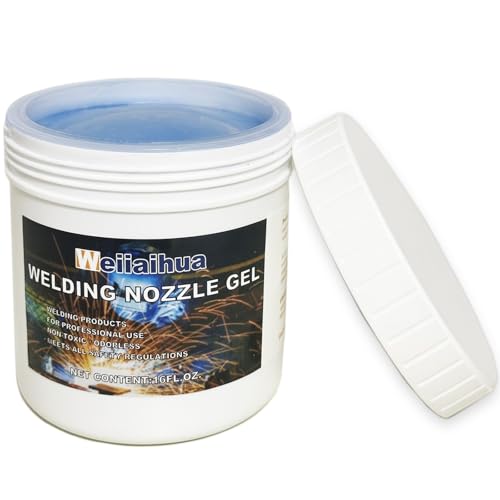
Weiiaihua Anti-Spatter Nozzle Gel forms a protective film on torch tips to prevent spatter buildup, promoting cleaner welds and less mess on the workbench. It’s designed for instant protection through simple dipping of nozzles or contact tips and is compatible with manual and automated MIG welding setups. The universal compatibility ensures it works across different nozzle types, making it a flexible choice for varied welding applications and operators seeking consistent results.
Welding Anti-Clogging Gel For MIG

This MIG nozzle gel focuses on preventing clogging and spatter buildup by creating a protective barrier around the nozzle. It is suitable for various MIG welding applications and is compatible with most nozzle types. The product emphasizes ease of use: apply around the nozzle before welding to maintain smooth operation and cleaner welds, with reapplication as needed during extended sessions.
TimelyDu Welding Nozzle Gel Dip Coating

TimelyDu’s nozzle dip offers a simple, quick application method: dip the nozzle or tip to form a protective film that reduces slag buildup. The formula is non-toxic, odorless, and silicone-free, ensuring safe use in enclosed spaces. A single 16-ounce can provides ample coverage for multiple welding sessions, making it a practical choice for hobbyists and professionals seeking a straightforward maintenance step to keep MIG equipment operating smoothly.
Buying Guide
Key purchase considerations come down to application needs, compatibility, and safety. When choosing a nozzle gel, consider the following:
- Compatibility: Most gels claim universal compatibility with MIG nozzles and tips. Verify that the product works with the nozzle types you own (gasless or gas-shielded MIG systems) and does not interfere with arc starting.
- Film quality: A good anti-spatter film should form a uniform, thin coating that prevents spatter without leaving excessive residue. Silicon-free formulas reduce the risk of introducing contaminants into welds.
- Application method: Dip gels are quick and convenient, but some users prefer sprays or brush-on options. Choose a product whose application method suits your workflow and environment.
- Safety and odors: Odorless, non-flammable, and non-toxic options are preferable for workshop safety and ventilation concerns. These traits also reduce irritants in enclosed spaces.
- Reapplication and longevity: Consider how often you’ll need to reapply during a session. Some gels require frequent touch-ups during long welds, while others offer longer-lasting protection.
- Storage and shelf life: Some gels have longer shelf lives and are less prone to drying out if unused for extended periods.
- Price vs. coverage: Compare the price per ounce and estimated coverage. A larger can may offer better value for shops with frequent MIG welding tasks.
- Work environment: For auto shops and fabrication floors with multiple operators, choosing a non-flammable, non-toxic gel reduces safety concerns and simplifies training.
In practice, operators should apply a thin, even coat before welding and reapply as needed, especially when changing nozzle sizes or switching between manual and automated modes. For best results, test a small area on a sacrificial panel to confirm that the film does not affect weld penetration or porosity. Always follow manufacturer directions for storage and disposal to maintain workplace safety and compliance.
Leave a Reply