Best Loading Ramps for Containers: Top Container Ramp Picks for 2026
When moving goods in and out of shipping containers, a reliable loading ramp is essential for safety, efficiency, and equipment protection. The following selection highlights ramps designed to bridge the gap between truck and dock, support heavy loads, and stand up to frequent use. Each option is evaluated for construction, capacity, and suitability for container operations, helping you choose ramps that fit warehouses, yards, or mobile setups.
| Product | Brand | Capacity | Size |
|---|---|---|---|
| DMC-FPPS 68″ x 86″ | DMC-FPPS | 16,000 lbs | 68″ x 86″ |
| Mytee 68″ x 86″ | Mytee Products | 14,000 lbs | 68″ x 86″ |
| DMC-FPPS 49″ x 86″ | DMC-FPPS | 16,000 lbs | 49″ x 86″ |
| HD Ramps 48″ x 36″ | HD Ramps | 8,000 lbs per axle | 48″ x 36″ |
| MAXIVMAN 7.5 Ft Aluminum | MAXIVMAN | 1,500 lbs | 7.5 ft |
Note: The table above reflects a mix of container and dock ramps chosen for container-loading workflows. Each option emphasizes durability, grip, and safe transitions from vehicle to container or dock, tailored to different load profiles and space constraints.
DMC-FPPS 68″ x 86″ Heavy Duty Loading Ramp

The DMC-FPPS 68″ x 86″ ramp uses a diamond-plate steel surface for high durability and secure footing. With a height differential of 6.49 inches, it supports up to 16,000 pounds, making it suitable for forklift and heavy pallet operations during container transfers. The ramp is sized to bridge the gap between traditional dock heights and container floors, aiding safe transitions during loading and unloading.
Mytee Products 68″ x 86″ HD Steel Ramp

This steel ramp is designed for container use with a 14,000-pound capacity. It emphasizes forklift compatibility and features heavy-duty construction suitable for frequent container loading cycles. The ramp is described as strong enough to bear substantial loads, with integrated safety attributes enabling stable entry and exit for containers, trucks, and dock platforms.
DMC-FPPS 49″ x 86″ Heavy Duty Ramp
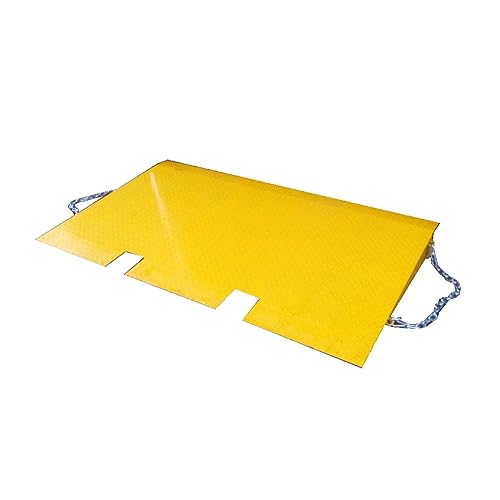
With a 5.9-inch height differential and 16,000-pound capacity, this ramp is engineered to bridge truck and dock transitions efficiently. Its 49″ width provides broader access for pallet jacks and equipment moving in and out of containers, while its 10-gauge steel construction emphasizes long-term durability and secure loading across varied container setups.
HD Ramps 48″ x 36″ Ramp

Designed for shipping containers with a lip between 4.5″ and 8″ high, this ramp combines an extruded aluminum frame with a grit-coat surface to resist weathering and provide reliable grip. It supports up to 8,000 pounds per axle, making it suitable for pallet jacks and lighter container transfers while remaining portable and easy to deploy in a yard or dock setting.
MAXXHAUL 50962 Heavy Duty Curb Ramp

This poly ramp handles up to 1,000 pounds and is designed for curb and threshold loading, including settings where container doors meet ground surfaces. Its sturdy construction and portable design make it a practical option for brief container dock operations, with safety features geared toward daily handling and quick deployment.
WHALEMOTOR Shed Ramp
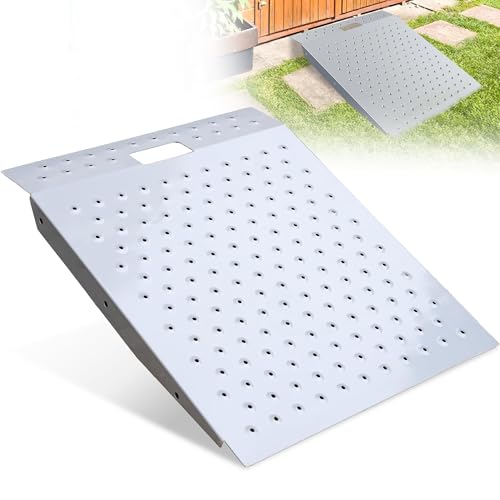
Although marketed for sheds and small spaces, this ramp offers a wide 29″ length and 750-pound capacity, with a design focused on anti-slip performance and rugged use in yard environments. It provides a compact option for temporary container setups where space is limited and lighter loads are expected.
MAXIVMAN 7.5 Ft Aluminum Ramp
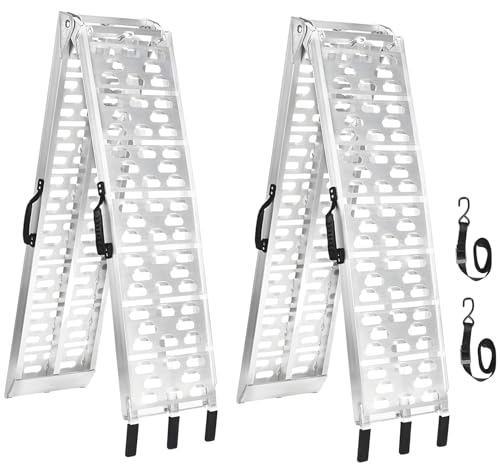
These heavy-duty aluminum ramps offer a 1,500-pound capacity, foldable design, and a length of 7.5 feet. Non-slip edges and load straps contribute to secure handling for elevated transitions in container environments, with a focus on portability and storage in vehicle beds or garages.
Buying Guide: Key Considerations For Container Ramp Purchases
- Capacity and duty cycle: Match ramp capacity to the typical load, including pallets, pallets plus forklift, and any extra dynamic loads during movement.
- Ramp width and length: Wider ramps reduce tip risks when maneuvering pallets; longer ramps help bridge dock gaps and uneven terrain, especially in older container setups.
- Construction material: Steel ramps offer high strength and durability; aluminum ramps are lighter and more portable, often with weather resistance.
- Surface texture and grip: A grit-coat or diamond-plate surface improves traction in wet or oily conditions, reducing slip hazards.
- Mounting and safety features: Look for safety chains, anti-slip edges, anti-tip designs, and compatibility with forklifts or pallet jacks as needed.
- Portability and storage: Foldable or compact ramps save space in trucks or storage yards and enable quick deployment for temporary container operations.
- Compatibility with containers: Ensure the ramp height differential aligns with dock and container floor height, minimizing racking and loading resistance.
- Maintenance and corrosion resistance: Consider coatings or materials that withstand outdoor exposure and frequent use in dock environments.
Selecting the right ramp involves balancing load requirements, space constraints, and the frequency of container transfers. Heavier steel ramps excel in long-term durability and forklift compatibility, while aluminum and poly ramps offer portability for intermittent use. Always verify that the ramp’s specifications align with your container dimensions, lip heights, and the equipment you plan to move.
Leave a Reply