Best Portable Liquid Transfer Pumps for Quick Fluid Transfer
When you need to move fuel, water, or other non-potable liquids quickly and safely, a portable liquid transfer pump is essential. This guide highlights five reliable options designed for off-grid use, outdoor tasks, and emergency needs. Each pump varies in power source, flow rate, and versatility, so you can choose the model that best fits your cans, tanks, and setups without wiring or heavy lifting.
| Product | Brand | Power | Flow Rate | Best For |
|---|---|---|---|---|
| Portable Transfer Pump Battery Operated Electric Siphon | BestCosy | Battery (AA/6 AA) | 2.4 GPM | Camping, emergencies |
| SMART JERRY Fluid Transfer Pump | SMART JERRY | Manual | 2.5–3 GPM | Quick hand transfers |
| UPTIVAR Fuel Transfer Pump Battery Powered | UPTIVAR | Battery (AA) | 2.4 GPM | Automatic stop, versatile fuels |
| DEWAY Automatic Fuel Transfer Pump | DEWAY | Battery (D cells) | 2.6 GPM | Heavy-use, quick transfers |
| Luigi’s Siphon Pump | Luigi’s | Manual | ~10 L/min | Home, DIY, garden |
BestCosy Portable Transfer Pump

The BestCosy Portable Transfer Pump is designed for ease of use and mobility. Standing about 23 inches tall, it is light enough for outdoor tasks and simple to operate without electrical outlets. It can transfer at approximately 2.4 gallons per minute, suitable for fueling appliances or moving non-potable water. The pump runs on 6 AA batteries (not included), allowing operation anywhere with minimal setup. A 47-inch hose offers reach to tanks, engines, and tight spaces, enabling quick transfers of fuel, diesel, or water. A practical choice for camping, job sites, or emergency readiness.
SMART JERRY Fluid Transfer Pump

SMART JERRY offers a quick, tool-free assembly in seconds and a robust transfer rate around 2.5–3 GPM. This hand-operated siphon is designed for fast setup and reliable performance with upgraded seals to minimize leaks. It is a versatile option for automotive fluids, lawn equipment, RV antifreeze, fish tanks, and other domestic transfer tasks. Its straightforward operation makes it suitable for users who prefer a manual solution without power sources. Refer to the user manual for assembly guidance to maximize leak-free performance.
UPTIVAR Battery-Powered Transfer Pump
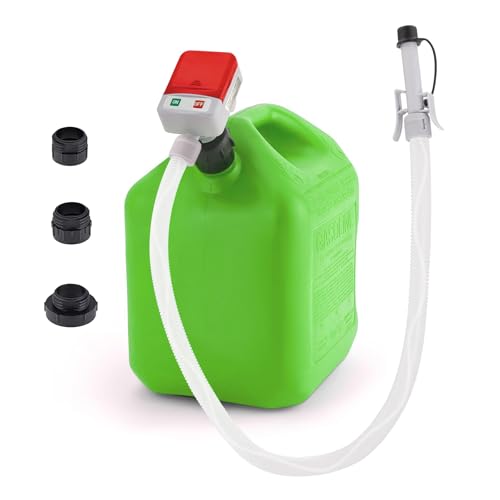
UPTIVAR’s battery-powered transfer pump features an auto-stop sensor to prevent overflow, making it reliable for gasoline, diesel, and non-potable water. With a flow rate up to 2.4 GPM, it balances speed and safety for portable use. The unit accepts 4 AA batteries and includes a locking clip to secure the nozzle during transfer. An automatic stop helps users avoid spills, and the design supports easy operation—start by attaching the siphon to the source container and pressing the On button. This model is suitable for quick field transfers and emergency fuel movements when outlets are unavailable.
DEWAY Automatic Fuel Transfer Pump

DEWAY’s automatic fuel transfer pump is powered by D-cell batteries, delivering impressive speed with an advertised rate around 2.6 GPM. The system emphasizes back-saving design with a long transfer hose and suction tube, enabling reach into large cans and containers. It is marketed for quick siphoning of gasoline, water, and other compatible liquids. The pump’s power and reach make it well-suited for field work on vehicles, equipment, or remote job sites where quick, heavy-duty transfers are needed.
Luigi’s Siphon Pump

Luigi’s Siphon Pump offers a high flow rate for a manual device—approximately 10 liters per minute. Constructed from durable PE plastic, it is built to handle a variety of liquids, including fuels and some solvents, depending on safety guidelines. This siphon pump is well-suited for homeowners, DIY enthusiasts, gardeners, campers, mechanics, and light industrial tasks. Its simple squeeze action and robust construction provide a reliable, economical option for quick liquid transfers without power sources.
Buying Guide: Key Purchase Considerations
When selecting a liquid transfer pump, consider power source, flow rate, compatibility, and safety features. For mobile or emergency use, battery-powered units offer independence from outlets, but check battery type, availability, and expected run time. Manual pumps excel in reliability and cost but require physical effort, which may be a limitation for larger transfers. Automatic-stop sensors help prevent spills, especially with larger containers. Hose length and nozzle design affect reach and control, while construction materials determine chemical compatibility and durability.
Consider these factors to compare options effectively:
- Flow rate and duty cycle: Higher GPM transfers faster but may draw more power or effort.
- Power and battery type: D, AA, or hand-operated—assess availability and usage context.
- Fuel compatibility: Ensure the pump handles gasoline, diesel, kerosene, and water as needed.
- Safety features: Auto-stop sensors, leak-resistant seals, and backflow prevention matter for spill prevention.
- Portability: Weight, hose length, and ease of assembly influence field usability.
- Durability and materials: Look for corrosion-resistant housings and non-toxic hose materials.
For a given use case—camping, home maintenance, or emergency readiness—matching power, flow, and user effort will yield the most practical choice. Always follow the manufacturer’s instructions for assembly and safe operation, particularly when handling fuels or solvents.
Leave a Reply