Best Insulated Liners for Shipping: Top Picks for Cold & Hot Food Transportation
Finding reliable insulated liners for shipping can reduce spoilage, preserve temperature, and simplify logistics. This article highlights five highly-rated options that balance durability, insulation performance, and cost. Each product is designed to keep frozen or hot foods at stable temperatures during transport, with reusable materials and practical features for everyday shipping needs.
Summary of chosen products:
- ZEAYEA 10 Pack Insulated Shipping Bags — 13.2″ x 8.7″ x 13.2″; aluminum film and foam for durable insulation.
- IDL Packaging 14″ x 14″ x 14″ Insulated Shipping Box — 5.8-gallon capacity; EcoMax thermal-papers liners; up to 72 hours cold protection.
- Elite Tool Center 25 Pack 12 x 12 x 12 Bubble Foil Liners — self-sealing; wide temperature range.
- Totowood 10 Pack Insulated Shipping Bags — 14″ x 9″ x 13″; pearl cotton and aluminum foil; waterproof.
- QoTang 10 PCS Reusable Insulated Bags — 13.4″ x 9.5″ x 13″; foil-and-pearl-cotton insulation; reusable.
ZEAYEA 10 Pack Insulated Shipping Bags
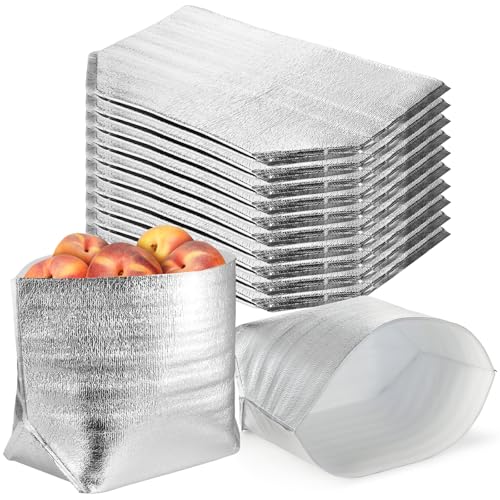
ZEAYEA’s 10-pack delivers large, reusable insulation bags built from aluminum film and foam. The dimensions—13.2″ L, 8.7″ W, 13.2″ H—provide ample space for mixed items like seafood, fruit, beverages, or hot foods, with versatility for camping or picnics. The bags are waterproof, lightweight, and designed to minimize heat transfer, helping maintain product freshness during transport.
Key features include a durable, reusable construction and a wide application range beyond shipping cold items. Their waterproof exterior benefits scenarios with potential moisture exposure, while the aluminum film contributes to a robust barrier against temperature fluctuations. This makes ZEAYEA a practical option for small business deliveries or home-based food services seeking dependable insulation without single-use waste.
IDL Packaging Insulated Shipping Box
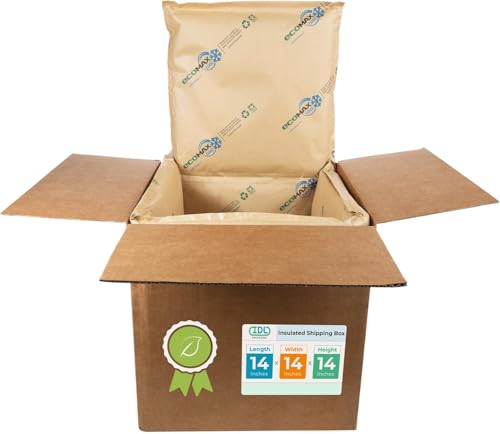
IDL Packaging offers a 14″ x 14″ x 14″ insulated shipping box with EcoMax thermal-paper liners. The internal capacity is 5.8 gallons, and the liners are 1.5 inches thick. When paired with ice packs, they claim cold retention up to 72 hours. The liner system combines kraft paper and multilayer wadding to withstand moisture while delaying microbial growth, offering advantages over traditional plastic insulators for certain cold-chain needs.
This option is ideal for businesses seeking a box-with-liner solution that emphasizes natural materials and condensation management. The paper-based liner reduces moisture buildup inside the box, helping to keep products dry. It may be especially suitable for shipping perishable items like frozen meat or fish where long cold-chain duration is desired, and where moisture control is a priority for packaging integrity.
Elite Tool Center Bubble Foil Insulated Liners

This 25-pack provides 12″ x 12″ x 12″ liners made from bubble foil insulation with self-sealing edges for quick closures. The design targets cold shipping needs with a broad operating temperature range and compact packaging suitable for mix-and-match box sizes. The self-sealing feature helps streamline packing workflows, while the bubble foam layer adds cushioning to reduce impact damage during transport.
With a straightforward, versatile profile, these liners suit small businesses delivering chilled or frozen goods, as well as households that regularly ship food items in insulated containers. The combination of insulation and cushioning helps maintain product integrity, especially for delicate items, while the compact format supports scalable packaging operations.
Totowood 10 Pack Insulated Shipping Bags

Totowood offers a 10-pack of large liners measuring 14″ x 9″ x 13″. The set uses pearl cotton and aluminum foil to deliver reliable insulation, with waterproof and reusable properties designed to withstand multiple uses. The higher capacity accommodates bigger orders or items that require more space, while the durable materials help protect contents from weather and moisture during transit.
These liners appeal to those who need a balance of capacity, reusability, and robustness. The waterproof construction supports deliveries in varying weather, and the internal insulation helps maintain temperature without relying on bulky external packaging. Ideal for food delivery services or home use where long trips or fluctuating temperatures are a concern.
QoTang 10 PCS Reusable Insulated Liners

QoTang bundles 10 insulated liners sized about 13.4″ x 9.5″ x 13″. The set emphasizes a foil-and-pearl-cotton construction that is waterproof and reusable. This combination aims to maximize insulation performance while offering durable reuse for frequent shipments. The liners are positioned to fit a variety of medium-to-large shipping boxes and bags, enabling flexible logistics under different transport conditions.
QoTang’s option targets efficiency and value, providing multiple uses for food transport, picnics, or daily meal delivery. The emphasis on reusability aligns with sustainability goals, while the foil layer helps resist heat transfer for both hot and cold items. For users who value simple, reusable packaging with strong insulation capabilities, this is a solid fit.
Buying Guide: Key Considerations For Insulated Liner Purchases
When selecting insulated liners for shipping, consider how each option aligns with your needs and operations. Regions with frequent temperature swings, varied product types, or higher shipping volumes benefit from a mix of insulation performance, moisture management, and ease of use. Here are essential purchase considerations and comparisons to help you decide.
- Insulation material: Aluminum foil, pearl cotton, and bubble foils each offer different thermal resistance. For extreme cold or heat, prioritize thicker liners or dual-material constructions.
- Moisture control: Paper-based liners and moisture-absorbing layers can reduce condensation versus plastic-only options. If humidity or leakage is a concern, look for liners with moisture management features.
- Capacity and fit: Ensure liner dimensions align with your typical box or bag sizes. Oversized liners waste space; undersized liners fail to insulate effectively.
- Reusability: Reusable liners save long-term costs and waste, but require cleaning and storage space. Assess durability over multiple uses and your cleaning workflow.
- Waterproofing: Weather exposure or rain during transit may necessitate waterproof outer materials to protect contents.
- Regulatory concerns: For food shipping, confirm liners meet applicable safety standards and are suitable for contact with food or perishable goods.
- Cost per use: Compare upfront costs against reuse cycles to determine overall value for your shipping volume.
Depth of insulation and ease of use vary across products. Some options emphasize eco-friendly paper-liner systems with long cold retention, while others prioritize heavy-duty, reusable foils designed for repeated shipping runs. For businesses with frequent shipments of mixed items, a combination of liner types—such as a protective outer box with a high-insulation liner—may offer the best balance between performance, cost, and sustainability.
In summary, the best insulated liners for shipping depend on your temperature-control needs, box sizes, and reuse plans. The products featured here provide a spectrum of options—from high-capacity liners and self-sealing designs to moisture-reducing, paper-based cup liners. Evaluate your typical orders, climate exposure, and cleaning capacity to choose the most effective solution for your operation.
Leave a Reply