Best Grease for Food Processing Equipment: Top Food-Grade Lubricants for 2026
Maintaining food processing equipment with the right grease is essential for safety, efficiency, and longevity. This guide highlights top food-grade greases that resist contamination, perform under demanding temperatures, and protect moving parts in mixers, grinders, conveyors, and ice machines. Each option below is NSF H1 or equivalent-certified and suitable for incidental contact with food. Use the buying guide to compare factors like temperature range, thickener type, water resistance, and application suitability.
| Product | Brand | Key Feature |
|---|---|---|
| Petrol-Gel Food Grade Equipment Lubricant | Petrol-Gel | NSF approved, safe for all food processing equipment |
| BX-434 NSF H1 Food Grade Plastic Grease | LewisCare | Industrial-grade, cold-ready performance |
| BX-303/B FG-2 Food Grade Grease | LewisCare | Long-lasting, high resistance to oxidation |
| Sta-Lube Multi-Purpose Food Grade Grease SL35600 | CRC | Aluminum complex thickener, wide temperature range |
| Keze Food Grade Equipment Lubricant | Keze | NSF H1 registered, odorless, kitchen-friendly |
Petrol-Gel Food Grade Equipment Lubricant

Petrol-Gel’s NSF-approved lubricant is designed for food processing environments, ensuring safety and performance across a range of equipment. The formula is suitable for mixers, meat grinders, and other kitchen appliances where incidental contact with food is possible. Its primary advantage is reducing friction and wear on moving parts, which helps extend equipment life and maintain consistent operation. This dual-pack option provides ongoing coverage for busy facilities, minimizing maintenance cycles. The product emphasizes food safety, minimizing the risk of contamination while delivering reliable lubrication in typical processing settings.
BX-434 NSF H1 Food Grade Plastic Grease

This 14.1-ounce pack is engineered for heavy-duty food processing equipment, including conveyors, bearings, and gears in cold beverage lines and ice cream machinery. NSF H1 certification confirms suitability for incidental contact with food, addressing safety in meat, dairy, and beverage operations. The grease is designed for industrial applications, providing robust protection against wear while maintaining performance across a wide temperature range. Its cold-ready capability makes it appropriate for equipment operating at subfreezing to moderately warm conditions.
BX-303/B FG-2 Food Grade Grease

Provided as a multi-purpose white grease with NSF H1 registration, BX-303/B FG-2 offers outstanding water resistance and high-temperature tolerance for food processing operations. Its aluminum complex thickener contributes to a smooth, stable consistency suitable for gears, bearings, and seals in conveyors and mixers. The formulation emphasizes extended service life and reliable performance under demanding conditions, helping to reduce maintenance frequency and downtime in busy production lines.
Sta-Lube Multi-Purpose Food Grade Grease SL35600
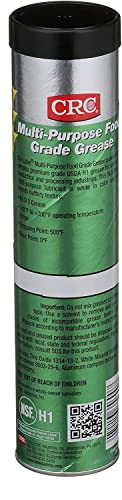
Sta-Lube SL35600 is a premium NLGI Grade 2 aluminum complex grease with NSF H1 registration. The white, water-resistant formula is designed for food production and processing plants, offering a smooth texture with a high dropping point and broad temperature range. This grease is well-suited for bearings, gears, and lubrication points in equipment like mixers, slicers, and packaging lines, delivering dependable protection against wear and water washout.
Keze Food Grade Equipment Lubricant

Keze offers an NSF H1-registered, odorless food-grade grease designed for kitchen and processing equipment. It is compatible with a wide range of appliances, including stand mixers, ice cream makers, espresso machines, and beverage lines. The formula aims to reduce friction and wear on gears and seals, helping to minimize noise and extend the life of high-use equipment in dynamic food service and processing environments. Its odorless quality makes it suitable for sensitive culinary settings.
Buying Guide: Key Purchase Considerations
- Certification and safety: Look for NSF H1 or equivalent certifications confirming suitability for incidental food contact. This reduces contamination risk and ensures compliance with safety standards.
- Temperature range: Consider operating conditions. Some greases perform best at low temps, others handle high-heat environments like ovens and fryers. Choose based on your equipment’s typical temperature profile.
- Thickener type and consistency: Aluminum complex and other thickeners influence water resistance, tackiness, and ease of application. NLGI grade (e.g., 2) indicates consistency suitable for bearings and gears.
- Water resistance and washout: Food processing environments are often wet. High water resistance reduces washout and maintains lubrication longer between applications.
- Compatibility with seals and plastics: Ensure the grease is compatible with EPDM, silicone, and other seal materials used in your machinery to avoid swelling or degradation.
- Odor and residue: Odorless formulations are preferable in food environments. Consider residue levels to minimize cleanup and contamination risks.
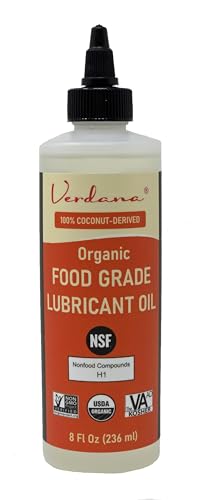
- Application method: Some products are paste-like, others are multi-purpose liquids. Choose based on your maintenance workflow and application points (bearings, gears, O-rings, etc.).
- Long-term performance: Look for oxidation and corrosion protection, extended lubrication intervals, and reduced downtime to maximize plant efficiency.
Additional Considerations for Selecting Food-Grade Grease
- Equipment type: Food-grade grease requirements differ between meat processing lines and dairy beverage systems. Match the grease to the most critical components in your plant.
- Maintenance schedule: Greases with extended life can reduce routine maintenance. Balance cost with downtime savings when evaluating options.
- Regulatory compliance: If your facility is subject to audits, ensure the selected grease complies with your governing authorities and industry standards.
Choosing the right grease for food processing equipment involves balancing safety, performance, and cost. The products listed above are among commonly available options that meet or exceed expectations for food-contact environments. For best results, follow manufacturer recommendations for re-application intervals and compatible materials, and maintain a regular lubrication program to prolong equipment life and maintain product safety.
Leave a Reply