Best GPS Tracking Systems for Fleet Management and Asset Visibility
GPS tracking systems are essential for modern fleet management, enabling real-time location, geofencing, and insights into vehicle performance. This guide highlights five reliable options from reputable brands, designed for cars, trucks, trailers, and other mobile assets. Each profile includes a quick glance at core features to help organizations compare capabilities and choose the right solution for improving efficiency, security, and operations.
| Product | Key Feature | Ideal Use |
|---|---|---|
| Tracki Pro GPS Tracker | Long battery life, worldwide coverage | Discreet asset and fleet tracking with flexible plans |
| SpaceHawk GPS Tracker | Real-time updates, geofencing | Live monitoring of vehicles and assets |
| NGXDFL GPS Tracker | No subscription required, magnetic mounting | Cost-conscious tracking without ongoing fees |
| VITALGLOW GPS Tracker | No monthly fees, 30-second updates | Real-time tracking with power from vehicle |
| OPTIMUS Wired GPS Tracker | Hardwired power, flexible plan | Reliable fleet visibility for commercial fleets |
Tracki Pro GPS Tracker for Vehicles

The Tracki Pro combines robust worldwide coverage with a substantial battery capacity for extended operation. It supports GPS, Wi-Fi tracking, and multiple satellite systems (GPS, QZSS, Glonass, and BDS) to provide accurate location data. The device uses LTE networks for connectivity and can alert users through a variety of channels. While the battery life varies by mode, it can reach days to months between charges, depending on usage and network conditions. An industry-leading magnet and waterproof construction aid discreet deployment. A monthly plan is required for service.
SpaceHawk GPS Tracker
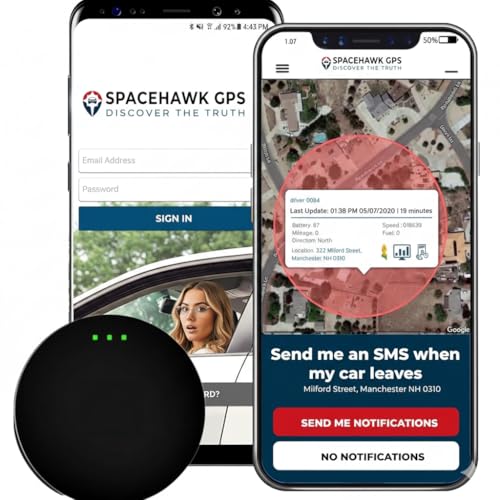
The SpaceHawk provides real-time GPS tracking with 3-second update intervals and full route history. Its app supports iPhone, Android, and desktop access, enabling continuous visibility for fleet managers. Features include geofencing, route history, and real-time alerts to help actions be taken promptly. The device emphasizes ease of use and cross-platform compatibility, making it suitable for on-the-move monitoring of vehicles and assets across a fleet.
NGXDFL GPS Tracker for Vehicles

This compact tracker markets itself as a multi-purpose, subscription-free option. It emphasizes no ongoing fees and no SIM card requirements, claiming compatibility with Android and iOS via an app. A strong magnet allows concealment on metal surfaces, and the waterproof shell supports use in various weather conditions. While primarily highlighting independence from monthly costs, readers should confirm data usage terms and coverage in their region before deployment.
GPS Tracker for Vehicles, No Monthly Fee

The VITALGLOW model markets a no-subscription approach with updates every 30 seconds and a long playback history. It draws power directly from the vehicle, offering 180-day playback and extensive route data. Installation is designed to be simple, with a focus on avoiding battery maintenance. This option aims at fleet managers seeking frequent, real-time updates without ongoing fees, but potential buyers should review data retention and integration options with existing fleet software.
Optimus Wired GPS Tracker for Vehicles

The Optimus device is designed for hardwired installation, connecting directly to a vehicle’s battery. This reduces the risk of power loss and is well-suited for fleets needing continuous tracking without recharging concerns. It offers a flexible subscription plan and real-time updates every 30 seconds, which enhances situational awareness for active fleet management. The combination of reliable power and clear pricing makes it a practical choice for professional fleets.
Buying Guide: Key Purchase Considerations
- Power source and installation: Decide between battery-powered, hardwired, or hybrid devices. Hardwired trackers minimize maintenance but require installation labor, while battery-powered units offer flexible placement but need periodic recharging.
- Connectivity and coverage: Look for 4G LTE CAT connectivity and multi-network compatibility to ensure operation in various locations. Global coverage is a plus for international fleets.
- Real-time updates and data depth: Evaluate update frequency (seconds vs minutes), route history length, geofencing capabilities, and alert types. More granular data supports proactive fleet management.
- Subscription model and total cost of ownership: Compare upfront device costs, monthly fees, and any long-term commitments. Some models advertise no subscription, but verify any activation or data charges.
- Security and concealment: For anti-theft or discreet tracking, assess magnet strength, waterproofing, and concealment options while ensuring compliance with local laws and policies.
- Compatibility and integration: Confirm compatibility with existing fleet software, dispatch systems, and mobile apps. Ease of integration can reduce training time and improve adoption.
- Geofence and alerts: Geofencing, speed alerts, and route deviation notifications help safeguard assets and optimize routes. Consider alert delivery channels (SMS, app, email).
- Device durability: For fleet vehicles exposed to harsh conditions, prioritize rugged housings, waterproofing, and temperature tolerance.
Fleet managers should map requirements against each model’s strengths: Tracki Pro for long-range versatility, SpaceHawk for real-time fleet visibility, NGXDFL for subscription-free operation, VITALGLOW for cost-conscious real-time updates, and OPTIMUS for reliable hardwired installation. Assess the vehicle types, operating environments, and regulatory constraints when choosing a system.
Leave a Reply