Best GPS Tracking for Shipping Containers and Assets
Shipping containers, trailers, and related equipment require reliable, discreet, and long-lasting tracking. The following selections emphasize real-time location, tamper alerts, rugged builds, and extended battery life to help fleet managers and operators keep assets secure across geographies. Each option below is geared toward heavy-duty use and long intervals between charges, with real-world practicality in mind for containers and auxiliary assets.
Summary table of chosen products:
| Product | Brand | Notable Feature | Estimated Battery/Power Approach |
|---|---|---|---|
| Optimus 3.0 GPS Tracker | OPTIMUS | Powerful twin magnet case; real-time tracking | Up to 2 months at 1-minute updates |
| Lightning GPS GL300 Tracker | Lightning GPS | Extended battery life; long-range real-time tracking | Up to 140 days depending on usage |
| GPS Luggage Tracker (MYLOC8) | MYLOC8 | Worldwide real-time tracking; TSA-friendly | Long battery life for travel across countries |
| Lonestar Oyster3 Hidden GPS Tracker | LoneStar Tracking | Anti-theft alerts; 4G/5G; geofence & recovery | Extended battery with multiple modes |
| Salind GPS Tracker | Salind GPS | Up to 180 days standby; rugged and splashproof | Very long standby, up to 180 days |
Optimus 3.0 GPS Tracker

The Optimus 3.0 device is designed for discreet asset tracking with a rugged magnet-based mount. It provides real-time GPS updates supported by a powerful twin magnet case that adheres to metal surfaces on vehicles and other assets. A subscription is required to enable ongoing data reporting, and the device offers up to two months of battery life under typical 1-minute update settings. This model suits container yards or secured storage areas where discreet placement is preferred and frequent location refreshes may be necessary.
Key features include accurate real-time tracking, discreet operation, and strong magnetic mounting for quick placement on metal surfaces. For logistics operators, the combination of quick setup and extended battery life helps maintain visibility without the need for wired power sources. The device is best suited for short to mid-range deployments where daily monitoring is essential.
Considerations: monthly subscription requirements, potential maintenance considerations for a magnet-based mount, and ensuring optimal placement away from high-interference zones to preserve signal accuracy.
Lightning GPS GL300 Tracker

The GL300 model emphasizes extended battery life and long-range real-time updates, making it a strong choice for shipping containers and trailers in remote or congested routes. Its magnetic case enables tool-free mounting to vehicles, containers, or trailers, and its long-lasting battery reduces maintenance frequency. Fleet managers can leverage the device for continuous surveillance without frequent recharging, aligning with operational schedules that require steady visibility across remote depots and yard locations.
Considerations: ensure compatibility with your fleet’s reporting platform, confirm coverage in all deployment regions, and plan for regular firmware or software updates per the provider’s guidelines.
MYLOC8 GPS Luggage Tracker
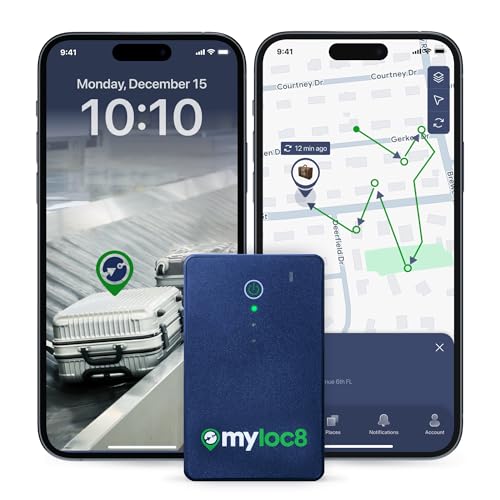
This compact GPS tracker is marketed for travel but its compact form and real-time tracking capabilities make it surprisingly adaptable for containers and enclosed assets. It supports worldwide real-time tracking, which is valuable for cross-border shipping or yard-to-yard visibility. A light sensor and flight mode help extend battery life in transit, and the device’s small size allows it to fit into tight spaces or be secured inside containers with minimal intrusion.
Considerations: verify if the user interface supports fleet-level dashboards, and evaluate battery performance based on your typical container dwell times and movement patterns. Environmentally rugged use may require protective housings depending on placement.
Lonestar Oyster3 Hidden GPS Tracker

The Oyster3 is built for robust, long-duration asset tracking with a focus on anti-theft measures. It uses multi-GNSS precision and supports 4G/5G networks with a GPS-based tracking engine designed for vehicles, trailers, and fleets. Its long battery life, combined with low-battery alerts, recovery mode, and geofence options, provides comprehensive protection for high-value containers and equipment in distributed locations. The device’s on-device geofencing and alert capabilities help prioritize security and rapid response in case of tampering.
Considerations: check network compatibility in your operating regions, assess whether the battery strategy aligns with your container movement patterns, and plan for data privacy and encryption settings across your fleet.
Salind GPS Tracker

Salind GPS emphasizes a very long battery life and rugged construction ideal for containers, trailers, and heavy equipment. The battery life claims extend across months with careful usage, making it suitable for stand-alone asset protection without constant recharging. The device is designed to withstand splash exposure and supports magnets for easy mounting on metal surfaces. This model can function well for fleet tracking where devices are mounted in multiple yard locations or on long-haul equipment that requires reliable, low-maintenance operation.
Considerations: confirm the true battery performance in your environment, validate environmental sealing for outdoor deployment, and ensure the device’s data plan and reporting cadence meet your monitoring requirements.
Buying Guide: Key Purchase Considerations
The right GPS tracker for shipping containers and related assets balances battery life, mounting practicality, network coverage, and data visibility. Consider these factors when selecting a device for container security and fleet management:
- Battery life and maintenance needs: For containers stored long-term or traveling across routes with limited service, prioritize devices with extended standby times or slow-update modes to minimize recharging.
- Mounting method and concealment: Magnetic cases offer quick placement on metal surfaces, but ensure the magnet strength and placement avoid interference with equipment or risk detachment. Hidden or low-profile designs help deter tampering.
- Network compatibility and coverage: 4G/LTE provides broad reach, while some models support 5G or regional networks. Verify compatibility in your operating regions and consider fallback options like multi-network support.
- Real-time updates vs. batch reporting: Real-time tracking is crucial for immediate alerts, but consider whether you need continuous updates or scheduled position reports to balance data usage and battery.
- Geofence and alert options: Geofencing helps with location-based rules, tamper alerts, and movement triggers. Ensure the platform supports your desired thresholds and notification channels (app, SMS, or email).
- Security and privacy: Look for devices with encryption, secure authentication, and tamper-resistant hardware. For sensitive deployments, on-device encryption and robust access controls are important.
- Ease of integration: Fleet operations benefit from devices that integrate with existing telematics platforms, dashboards, or asset management software. Consider open APIs or compatibility lists.
- Cost of ownership: Beyond device price, include subscription fees, data plans, and potential maintenance or replacement costs over the device’s life cycle.
In practice, for shipping containers and trailers, a combination approach often works best: a rugged, magnet-mounted tracker for rapid deployment and a second device in a less accessible area as a redundancy or for extended remote monitoring. Always pilot a device in a controlled segment of your fleet to evaluate signal reliability, battery behavior, and alert responsiveness before full-scale deployment.
Leave a Reply