Best Foam Floats for Docks: Durable, UV-Resistant Options for Safe Mooring
Choosing the right foam floats for docks requires balancing durability, buoyancy, and ease of installation. The options below emphasize UV resistance, strong shell materials, and solid foam cores to prevent sinking if the shell is compromised. This guide highlights five highly rated models from trusted brands, with practical installation notes and performance considerations to help you select the best dock floats for American shores and lakes.
| Product | Size (L x W x H) | Floatation (approx.) | Shell Material |
|---|---|---|---|
| Taylor Made Dock Floats 24x48x12 | 24″ x 48″ x 12″ | ~450 lb | UV-resistant black polyethylene with EPS foam |
| Generic Eagle Float Dock Floats (2’x3’x8) | 2′ x 3′ x 8″ | Noted as heavy-duty, typical options include around 350–450 lb | Virgin polyethylene shell with solid EPS core |
| Taylor Made 46118 Dock Float (24x36x12) | 24″ x 36″ x 12″ | ~335 lb | UV-resistant black polyethylene with EPS foam |
| Taylor Made Dock Floats 24x48x16 | 24″ x 48″ x 16″ | ~600 lb | UV-resistant black polyethylene with EPS foam |
| Generic Eagle Float Dock Floats (2’x3’x12) | 2′ x 3′ x 12″ | Noted as heftier option with strong buoyancy | Virgin polyethylene shell with EPS core |
Taylor Made Dock Floats 24x48x12 — Tough Shell

These floats use a UV-resistant black polyethylene shell that encases a foam core, providing buoyancy even if the outer shell is damaged. The design supports easy installation on stay-in docks, with thick mounting flanges included for secure attachment. They are drillable to accommodate fasteners; however, mounting hardware is not included. Availability spans several sizes to match different dock configurations, including 24x48x12 and 24x48x16 options, ensuring compatible buoyancy for larger dock systems.
Key considerations include compatibility with your dock hardware and the anticipated load. The 12-inch height is a practical balance for typical waterfront parks, marinas, and residential docks, offering dependable floatation while staying relatively unobtrusive visually. For saltwater or gasoline exposure, the shell’s protective barrier helps shield the foam core from corrosive elements and harsh solvents. Installation requires basic drilling and mounting, so plan for appropriate fasteners and a stable deck surface.
Generic Eagle Float Dock Floats (2’x3’x8)

This option emphasizes industry-leading reliability with 100% virgin-grade polyethylene and a solid EPS core. The shell is UV- and weather-resistant, designed to withstand long-term exposure to sun and sea. Easy installation is aided by mounting slots molded into the flat tops, simplifying attachment to docks, piers, or similar structures. Note that hardware for mounting is not included, so you’ll need compatible fasteners.
The 2’x3′ footprint provides solid buoyancy for mid-sized docking setups. The design balances robust flotation with manageable size for various dock configurations, making it suitable for both commercial marinas and DIY home projects. Consider confirming load requirements for your particular installation since buoyancy varies with the chosen size and core density. This float is well-suited for systems where quick installation and durable performance are priorities.
Taylor Made 46118 Dock Float — 24x36x12
With a UV-resistant black shell and EPS foam core, this Taylor Made model emphasizes durability and chemical resistance, protecting flotation in saltwater or when exposed to fuel. The 24x36x12 size offers a lighter option for smaller docks while still delivering reliable buoyancy. Like other Taylor Made floats, installation is straightforward—dock floats are drillable to fit fasteners, and mounting hardware is not included. Suppliers note multiple floatation options across sizes to tailor buoyancy to the dock’s needs.
When selecting this float, assess your dock’s capacity and the weight of the structure plus anticipated loads (people, equipment, and potential debris). The availability of other flotation configurations ensures you can design a balanced system with adequate reserve buoyancy. The 12-inch height is typical for standard residential or small commercial piers that require steady performance without excessive height above the waterline.
Taylor Made Dock Floats 24x48x16 — Heftier Option
This larger variant expands buoyancy with a 16-inch height, suitable for heavier docks or installations requiring greater vertical clearance and flotation reserve. The shell remains UV-resistant polyethylene, filled with EPS foam for buoyancy and impact resistance. As with other models, installation is straightforward—float sections are drillable for fasteners, and mounting hardware is not included. Availability across multiple flotation levels lets owners customize for different pier designs and municipal regulations.
Choosing this size is advantageous when docking larger vessels or when location-specific waves and wind require extra stability. It is also a practical choice for lakefront properties where seasonal water level fluctuations necessitate robust buoyancy. Ensure your frame and supports are rated to handle the added buoyancy and that you have the correct mounting hardware on hand for secure attachment.
Generic Eagle Float Flanged Dock Floats (2’x4’x12)
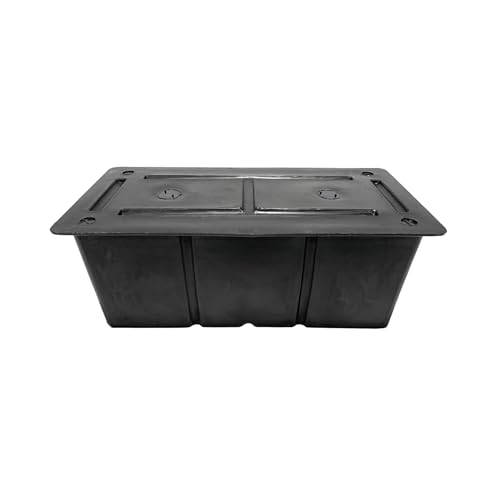
The flanged edge design distinguishes this float by offering a different installation approach. Rather than standard slot-based mounting, the flange enables quick alignment and attachment to docks or piers, saving time on site. The shell remains a UV-resistant virgin polyethylene with a solid EPS core, delivering consistent buoyancy and long-term resistance to weather and sun. This option is suitable for developers and hobbyists who appreciate flexible installation geometry and faster fastening methods.
When incorporating flanged floats, confirm that the flange width, bolt pattern, and dock frame allow for a secure fit. The 2’x4′ size provides substantial buoyancy and a large contact area for mounting. As with other floats, hardware is not included, so plan for compatible fasteners and ensure watertight sealing around attachment points to prevent water ingress and foam degradation.
Buying Guide: Key Purchase Considerations And Comparisons
Buoyancy needs, dock size, and environmental conditions drive the choice of foam floats. Consider these perspectives to compare options:
- Buoyancy and size: Larger floats provide more buoyancy and greater stability in waves. Match floatation to the dock’s total weight and planned load, including equipment and passengers.
- Shell material and core: UV-resistant polyethylene shells protect the EPS foam from salt water, gasoline, and sun exposure, prolonging service life.
- Installation method: Floats with mounting slots simplify attachment to docks, while flanged options can speed installation in some configurations. Confirm hardware compatibility with your dock design.
- Maintenance and durability: Expect long-term resistance to weathering, impact, and abrasion. Regular inspection helps identify shell damage before it compromises buoyancy.
- Environmental considerations: In saltwater or polluted waters, shell integrity is critical. Cheaper cores may be more vulnerable to degradation; opt for proven, reputable brands for critical applications.
- Size variety and customization: Brands often offer multiple sizes and flotation ratings. If your dock spans different configurations, a combination of sizes can optimize buoyancy distribution and stability.
- Warranty and support: Check manufacturer warranties and accessibility of replacement parts or support, particularly for commercial or marina installations.
In summary, the best foam floats for docks balance buoyancy with installation practicality and environmental resilience. For typical residential docks, a 12-inch to 16-inch height with a UV-protected shell provides strong performance. For larger piers or higher load demands, pairing two or more floats or selecting bigger sizes ensures adequate reserve buoyancy. Always verify compatibility with existing dock hardware and local regulations before finalizing purchases.
Leave a Reply