Best Desiccant Dryer for Air Compressor: Top Picks for Clean, Dry Air
Choosing the right desiccant dryer can improve tool life, prevent moisture-related corrosion, and ensure consistent performance in pneumatic systems. This article reviews five reliable options designed to remove oil, water, and moisture from compressed air. Each product below is certified to handle typical American workshop demands, with visible indicators for maintenance and easy integration into standard plumbing. Read on to compare features, compatibility, and maintenance considerations to pick the best unit for your setup.
Summary of selected products
| Product | Brand | Inlet Size | Key Benefit |
|---|---|---|---|
| DEWALT 3/8″ Inline Desiccant Dryer | DEWALT | 3/8″ NPT | High efficiency moisture removal with clear viewing windows |
| LE LEMATEC Compressed Air Dryer | LE LEMATEC | 1/4″ | Visual maintenance system with color-changing beads |
| NANPU 3/4″ NPT Industrial Dryer | NANPU | 3/4″ NPT | Three-stage filtration with durable metal bowl |
| THB In LINE Desiccant Dryer | THB | 3/8″ NPT | Compact inline design with easy drain and viewing |
| EDGE INDUSTRIAL In-Line Dryer | EDGE INDUSTRIAL | 1/2″ NPT | Heavy-duty unit with metal bowl and sight glass |
DEWALT 3/8″ Inline Desiccant Dryer

The DEWALT inline desiccant dryer is designed for seamless integration with standard 3/8″ NPT air lines. It features a viewing window to monitor desiccant life and high-efficiency moisture removal suitable for compressed air systems in workshops and small factories. With a maximum operating pressure up to 175 psi and a durable design, this unit helps protect pneumatic tools and downstream equipment from moisture-related issues. The temperature tolerance up to 60°C (140°F) supports varied indoor environments without compromising performance.
Key features include a 3/8″ NPT female air inlet for straightforward installation, a clear window for quick desiccant checks, and robust moisture removal that supports consistent tool performance. Users should ensure compatibility with their existing piping and verify the unit’s pressure rating against system requirements to prevent pressure drop or system stress.
LE LEMATEC Compressed Air Dryer

LE LEMATEC’s compressed air dryer uses a desiccant filtration approach to remove oil, water, and moisture, delivering clean air for pneumatic tools and HVLP spray systems. It operates across 1-150 PSI with a 22 CFM flow rate, making it suitable for hobbyist shops and small shops with multiple tools. A standout feature is the visual maintenance system: color-changing silica gel beads signal when the desiccant requires replacement, helping maintain consistent dryer performance and avoiding unexpected downtime.
The reusable design supports cost efficiency, and the unit protects downstream devices—airbrushes, sandblasters, and plasma cutters—from moisture-related wear. The compact footprint and straightforward maintenance steps make it a practical upgrade for mid-range setups requiring reliable, dry air.
NANPU 3/4″ NPT Industrial Dryer System

NANPU’s three-stage industrial air drying system combines a zinc alloy body with a metal bowl and a visible sight glass for easy monitoring. Designed for higher pressure environments (7-215 psi), this unit supports larger-scale air lines and more demanding applications. Stage 1 uses a 5-micron filter for initial moisture and particle removal, while Stage 2 employs a 0.01-micron coalescing filter to remove remaining moisture and oil, with a red indicator alerting when replacement is needed. This design prioritizes safety and long service life in professional settings.
The system’s integrated regulator and filter stages help stabilize air pressure and moisture levels, making it suitable for spray booths, plasma cutters, and industrial tools. Given its higher capacity, ensure adequate space and mounting provisions in your shop or production line.
CAtArt 3/4″ NPT Industrial Dryer System

The CAtArt three-stage dryer provides robust filtration for heavy-duty industrial use, with two rugged 3/4″ NPT ports and a 1/4″ NPT gauge port to accommodate high-pressure environments up to 240 PSI. Its three-stage filtration removes moisture and contaminants efficiently: a 5-micron stage reduces particles and moisture, followed by a 0.01-micron stage to capture remaining moisture and oil, and finally a desiccant stage for ultra-dry air. A visual maintenance cue helps operators replace worn elements—green indicators monitor status, while desiccant beads turn color to signal replacement needs.
Designed for demanding applications like plasma cutting and paint spraying, this unit balances filtration depth with ease of maintenance. For best results, match the dryer’s capacity to your tool lineup and monitor the maintenance indicators routinely to sustain peak performance.
THB In LINE Desiccant Dryer
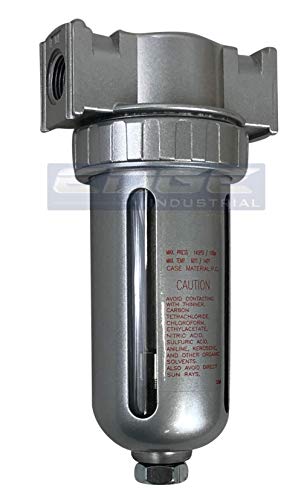
The THB inline desiccant dryer offers a compact solution for inline drying of compressed air with a 3/8″ NPT connection. It includes a user-friendly drain and a viewing window, enabling quick inspection of desiccant condition and moisture removal effectiveness. The unit’s design emphasizes straightforward installation and reliable operation within typical workshop pressures up to 215 PSI, making it suitable for pneumatic tools and spray equipment in small to mid-sized shops.
Maintenance considerations include monitoring the desiccant bead color and ensuring the drain remains free of debris. Its inline configuration makes it a good fit for tight spaces where a larger dryer would be impractical.
EDGE INDUSTRIAL In-Line Desiccant Dryer

This Heavy Duty Industrial In-Line Desiccant Dryer from EDGE INDUSTRIAL is built for reliability in line with 1/2″ NPT connections. It features a metal bowl and a sight glass to monitor desiccant life and moisture content at a glance. The unit’s robust construction is designed for continuous operation in demanding environments, and its dimensions accommodate larger air systems. It’s important to verify the internal components and seals to ensure compatibility with your system’s pressure range and the specific tools you plan to run downstream.
Consider the required mounting, space, and maintenance schedule when selecting this model. The metal bowl and clear sight glass contribute to easy inspection, which helps prevent moisture-induced tool wear over time.
Buying Guide: Key Purchase Considerations For Desiccant Dryers
Desiccant dryers remove moisture, oil, and particulates from compressed air, which helps protect tools, extend equipment life, and preserve finishes. When evaluating options, consider flow rate, inlet/outlet sizes, pressure ratings, and maintenance requirements. Here are several angles to help you choose:
- System compatibility: Check inlet/outlet sizes (NPT) to ensure a seamless fit with your existing plumbing. Consider whether the unit supports your operating pressure range and the expected flow rate at your usage level.
- Filtration stages: Three-stage systems with a desiccant core provide deeper drying and better protection for high-demand tools like spray guns and plasma cutters. Visual indicators for maintenance help reduce downtime.
- Maintenance and indicators: Color-changing beads or sight glasses simplify maintenance planning. Ensure you can easily drain condensate and replace desiccant without disassembling the system.
- Durability and mounting: Metal bowls, sturdy housings, and wall brackets add reliability for industrial or workshop environments. Consider space constraints and whether wall mounting or freestanding setups fit best.
- Maintenance interval planning: Larger systems or high-use environments benefit from scheduled desiccant replacement and filter changes. Favor units with clear maintenance cues to minimize guesswork.
- Budget and total cost of ownership: Initial cost matters, but consider desiccant replacement frequency, energy use, and potential downtime from moisture-related issues when evaluating long-term value.
In summary, the best desiccant dryer for your air compressor depends on your system’s pressure, line size, tool lineup, and maintenance preferences. For hobbyists and small shops, compact inline models with clear maintenance signals are often ideal. For more demanding industrial environments, three-stage systems with large bowls and rugged build quality provide greater protection and longer service life. Always verify compatibility with your existing fittings and the maximum operating pressure to ensure reliable performance over time.
Leave a Reply