Best Brazing Rods for Copper: Top Picks for HVAC and Plumbing Repairs
Brazing copper joints requires reliable rods with good flow, appropriate melting points, and predictable material performance. The following selections prioritize common HVAC, refrigeration, and copper plumbing applications, featuring alloys like BCuP-2 and BCuP-5 with varying silver content for strength and flow. This guide compares popular options from trusted brands to help you choose the right rod for your copper brazing tasks.
| Product | Brand | Rod Type | Length / Diameter | Key Feature |
|---|---|---|---|---|
| Fox Alloy Copper Brazing Rods BCuP-2 | Fox Alloy | BCuP-2 | 2.0 mm | Low melting point, good fluidity, self-fluxing |
| Iswanta 15% Silver BCuP-5 | Iswanta | BCuP-5 | 0.050″ x 1/8″ x 10″ | 15% silver for strength and flow |
| UCandy BCuP-2 Copper Brazing Rods | UCandy | BCuP-2 | 0.050″ x 1/8″ x 10″ | Low temp, easy to install, good flow |
| BlueFire BCuP-2 21 Sticks | BlueFire | BCuP-2 | 0.050″ x 1/8″ x 14″ | Self-fluxing, strong joint, flux optional for brass |
| Tandefio BCuP-5 15% Silver | Tandefio | BCuP-5 | 0.050″ x 1/8″ x 10″ | Silver-enhanced, good penetration and strength |
Note: This overview draws on listed features such as silver content, fluxing behavior, joint penetration, and suitability for HVAC, refrigeration, and copper plumbing applications. All selections are suitable for copper-to-copper or copper-to-brass joints with appropriate flux use when needed.
Fox Alloy Copper Brazing Rods BCuP-2
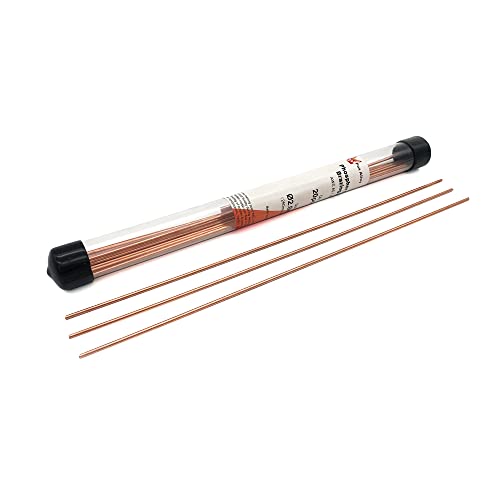
Material: Includes 20 pieces of 2.0 mm copper brazing rods (BCuP-2). Standards: AWS A5.8 compliance. Advantage: Low-temperature phosphor copper rods with easy installation and removal. Features good fluidity enabling flow into tight spaces. Melting point ranges 640-770°C, supporting reliable joint formation in refrigeration and HVAC piping.
Iswanta 15% Silver BCuP-5 Brazing Rods

Features: 15% silver content provides enhanced flow, joint strength, and heat stability. Deep capillary penetration promotes full metal fusion, reducing leakage during brazing and soldering. These rods are designed for HVAC, refrigeration, and copper plumbing joints, delivering consistent results in professional applications.
UCandy BCuP-2 Copper Brazing Rods

Material: 20 pieces of 0.050″ x 1/8″ x 10″ copper brazing rods (BCuP-2). Advantages include easy installation, excellent fluidity, and a low melting point (640-770°C), enabling effective brazing of copper and copper alloys in motors, air-conditioners, and refrigeration components.
BlueFire 21 Sticks BCuP-2 Brazing Rods

Contents: 21 sticks of 14″ long, self-fluxing BCuP-2 brazing rods. Tolerates standard fluxing options and provides solid joint formation with a typical solidus around 710°C and liquidus near 820°C. Suitable for copper-to-copper and copper-to-brass assemblies in HVAC and plumbing tasks.
Tandefio BCuP-5 15% Silver Brazing Rods

Material: 40 rods per package with 15% silver content, designed for reliable brazing of copper and copper alloys in HVAC, refrigeration, and cold-storage applications. Benefits include improved wettability, higher joint strength, and reduced brazing time. Clear guidance suggests thorough cleaning of brazing surfaces for best results.
Shark Tears 42 Pcs BCuP-5 Brazing Rods

Engineered BCuP-5 alloy with 15% silver offers strong, corrosion-resistant joints with smooth brazing results. High thermal conductivity supports uniform heat transfer during brazing, welding, and soldering in HVAC and refrigeration work. Enhanced capillary action aids deep penetration for leak-free joints.
CADHENA 20 Rods BCuP-2 Brazing Rods

Features include easy use with a 1310-1508°F brazing range, suitable for copper and copper alloy joints in motors and refrigeration. 20 rods per pack with phosphorus-based composition, designed for reliable brazing without leakage or deformation when joints are properly cleaned and prepared.
Buying Guide: Key Considerations For Copper Brazing Rods
- Brazing alloy composition: BCuP-2 vs BCuP-5 differences. BCuP-2 is typically a phosphorus-copper alloy suitable for copper-to-copper joints with lower melting points, while BCuP-5 includes higher silver content for improved strength and flow in challenging joints.
- Silver content and strength: Higher silver (e.g., 15% in BCuP-5) often yields stronger joints and better fluidity in HVAC and refrigeration work, but may be more expensive and require precise control of heat input.
- Fluxing needs: Some rods are self-fluxing, reducing extra flux requirements. For brass-to-brass joints or certain materials, a dedicated flux may still be recommended.
- Rod dimensions: Diameter and length affect heat input and ability to reach tight spaces. Smaller diameters (e.g., 0.050″ or 1/8″) are common for copper tubing and compact joints, while longer sticks support larger repairs.
- Joint preparation: Thorough cleaning of copper surfaces and oxides improves capillary action and joint integrity. Surface contaminants can cause leaks or weak bonds.
- Application category: HVAC, refrigeration, plumbing, motors, and copper alloys each have typical brazing regimes. Select a rod suited to your primary application to ensure reliable performance.
- Ease of use: Self-fluxing rods simplify procedure, but some projects benefit from using flux for brass or heavily oxidized joints. Consider your skill level and project requirements.
- Thermal properties: Look at solidus and liquidus temperatures to ensure the brazing range aligns with your heat source and tubing thickness.
Leave a Reply